

Shivratri stands out because it encourages people to slow down, meditate, and reconnect with themselves among all Hindu cultural festivals of India. It is a night dedicated to Lord Shiva a time for prayer, reflection, and inner peace.
If you are planning to observe Shivratri for the first time, don’t worry the rituals are simple, and devotion matters more than perfection. Here is an easy, beginner-friendly guide.
Table of Contents
Why Maha Shivratri is Celebrated?
Maha Shivratri, usually falls between February and March, marks the divine marriage of Lord Shiva and Goddess Parvati. Spiritually, it represents the victory of light over darkness and ignorance. India is known for hosting some of the top cultural festivals in world, and Shivratri is special because it focuses on mindfulness and spiritual growth rather than just celebration.
Maha Shivratri Puja Guide for Beginners
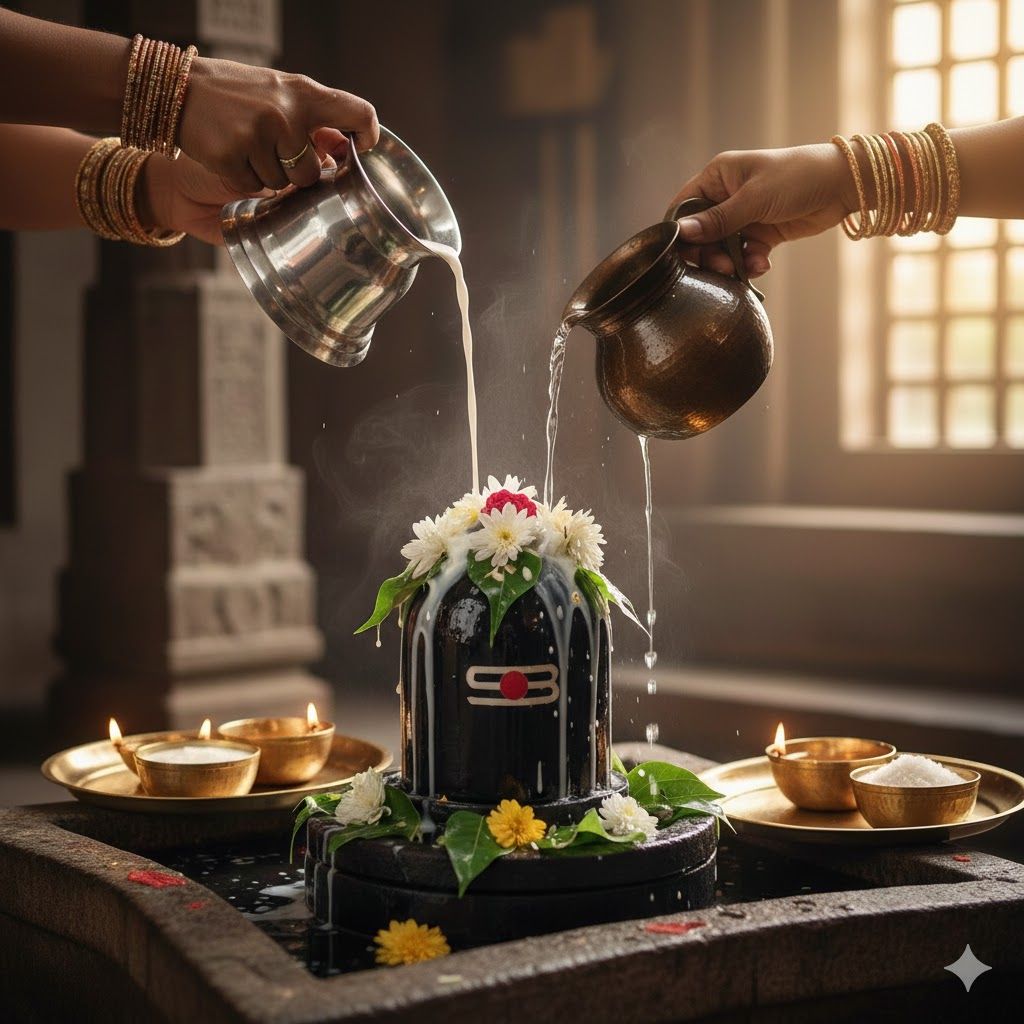
You don’t need expensive decorations or complicated rituals. A clean space, a calm mind, and genuine devotion are enough.
1. Start with Cleanliness
Begin your day with a bath and wear fresh, comfortable clothes preferably white or light colors. Clean the area where you plan to pray. In Hindu traditions, purity of body and surroundings is considered important.
2. Prepare a Small Puja Space
Place a Shiva Lingam, idol, or even a picture of Lord Shiva on a table or shelf. Light a diya and incense sticks, preferly sandalwood, but Shiv is considered Bhole, so he can be impressed with simple offerings as well. Keep simple offerings like water, milk, flowers, and fruits nearby.
3. Perform Abhishekam
Abhishekam is the ritual of pouring water, milk, yougurt, honey, ghee, bhabhut, and gangajal over the Shiva Lingam. This act symbolizes purification and surrenders of ego.
4. Offer Bilva Leaves and Ber
Bilva (Bel) leaves are considered very sacred to Lord Shiva. If you find them, offer three leaves together while chanting “Om Namah Shivaya”. You can add Ber fruit (the most easily available fruit, otherwise any fruit) as Shivji is simple
5. Chant Mantras or Meditate
You don’t need to know many chants. Simply repeating “Om Namah Shivaya” for 108 times can create a peaceful atmosphere.
6. Listening Devotional Songs
Many devotees stay awake at night singing bhajans or listening to devotional songs. Beginners can choose to stay up for a few hours instead of the whole night.
Fasting Tips for Shivratri (Especially for First-Timers)
Fasting is a big part of Shivratri because it is believed to cleanse the body and mind. Fasting during Maha Shivratri is not just a ritual; it is a spiritual practice that helps cleanse both the body and the mind. Here are few fasting tips for Shivratri:
1. Pick a Comfortable Fasting Style, as its about calmness and spiritual thing:
- Strict Fast: No food or water (not ideal for beginners)
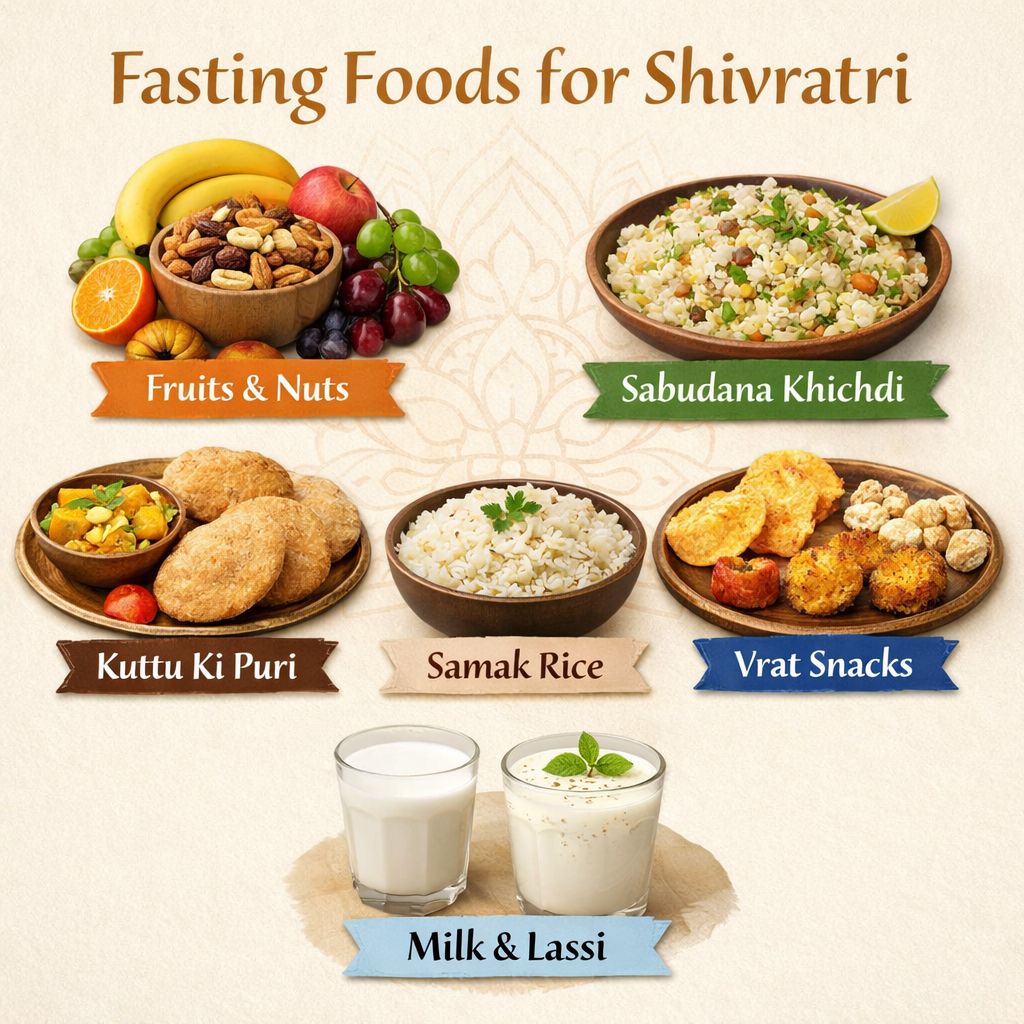
- Fruit Fast: Fruits, milk, nuts, curd allowed.
- Light Fast: Simple meal without grains or heavy spices.
2. Stay Hydrated
Staying hydrated is the most important thing whether you are first time keeping fast or keeping from years. Drink water, coconut water, or lemon water if your fasting rules allow. Hydration keeps your energy stable.
3. Eat Light and Pure Foods
Choose simple, sattvic foods like bananas, apples, any available fruits, dates, peanuts, sabudana dishes, or sweet potatoes. Interestingly, many of these foods are also highlighted during the best food festivals in India because they are traditional, healthy, and culturally significant.
4. Cultural Importance of Shivratri
When we talk about Indian culture religious beliefs we often think of Diwali or Holi, but Shivratri offers a quieter and more introspective experience. Its growing popularity worldwide has also placed it among the top cultural festivals in world, drawing yoga lovers, spiritual seekers, and travelers who want to experience authentic Indian traditions.
Final Thoughts: Cultural Festivals of India
Observing Maha Shivratri doesn’t have to be complicated. A small prayer corner, simple fasting, and heartfelt devotion are more than enough. It is one of those festivals of India where the real celebration happens within through peace, discipline, and gratitude. Whether you follow every ritual or just spend a few quiet moments in prayer, Shivratri is a beautiful opportunity to pause, reflect, and reconnect with your inner self.